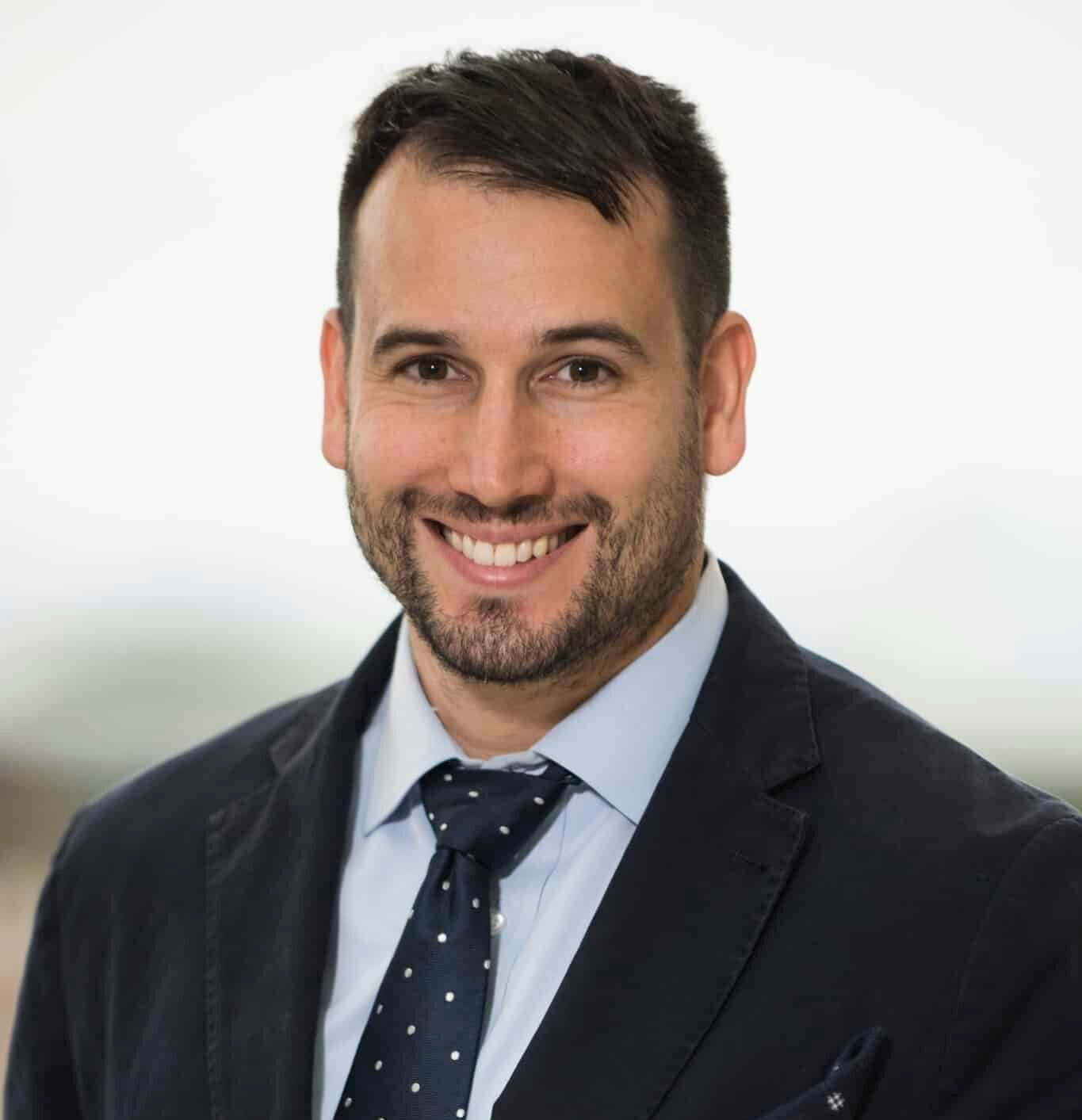
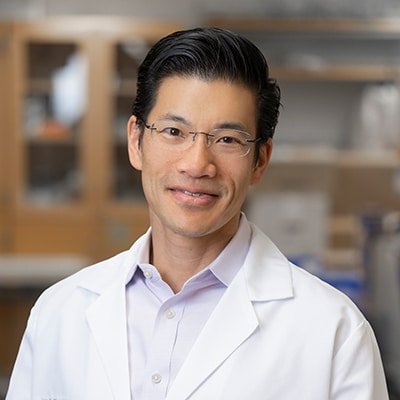
Member Spotlight: Brian Fry, Senior Director of Business Development, Cellipont Bioservices
“Progress in this field shouldn’t happen in silos. By sharing what we learn and supporting one another across the community, we can collectively move faster toward delivering these life-changing therapies to the patients who need them most.”

Brian Fry is Senior Director of Business Development at Cellipont Bioservices, where he works at the intersection of science, manufacturing, and strategy to help biotech companies navigate process development, tech transfer, and scale-up. As part of Act for Hope’s Knowledge Sharing Workstream, he is driven by a belief that the biggest barriers in CGT are shared problems that require open collaboration and earlier alignment across the ecosystem.
What’s your affiliation with the cell & gene therapy (CGT) field?
I currently serve as Senior Director of Business Development at Cellipont Bioservices, a U.S.-based CDMO specializing in cell therapy development and GMP manufacturing. In this role, I partner with emerging and established biotech companies to help advance their programs from early development through clinical manufacturing and toward commercialization.
My work sits at the intersection of science, manufacturing, and strategy, supporting a range of modalities across autologous and allogeneic cell therapies. I spend much of my time helping teams navigate the complexities of process development, tech transfer, and scale-up, with a focus on de-risking programs and accelerating timelines so innovative therapies can reach patients more efficiently.
What is your role within Act for Hope, and what motivated you to involved?
Within Act for Hope, my role is centered on knowledge sharing, which is helping bridge gaps in understanding across the CGT ecosystem by translating complex technical and operational challenges into insights that can be more widely applied.
My motivation to get involved is rooted in both my professional experience and a personal mindset I’ve carried with me for years. Mr. Rogers once said, “Look for the helpers. You will always find people who are helping.” I’ve always taken that to heart and try to be one of those helpers in whatever way I can.
Working in cell and gene therapy, I see firsthand the incredible promise of these treatments, but also the real barriers that can slow progress, from manufacturing constraints to access challenges. Act for Hope provides an opportunity to contribute beyond my day-to-day by sharing knowledge, fostering collaboration, and helping others navigate those challenges more effectively.
What drives me is the belief that progress in this field shouldn’t happen in silos. By sharing what we learn and supporting one another across the community, we can collectively move faster toward delivering these life-changing therapies to the patients who need them most.
If I could spark one conversation right now, it would be around how we collectively move from innovation to access, faster and more intentionally.
As a field, we’ve made incredible strides scientifically, but there’s still a gap between what’s technically possible and what’s practically available to patients. I’d want to bring together stakeholders across developers, CDMOs, regulators, and clinicians to have a more transparent dialogue about how we design programs, processes, and infrastructure with scalability and accessibility in mind from the very beginning.
From where I sit, many of the biggest challenges, cost, manufacturing complexity, and timelines, aren’t owned by any one group. They’re shared problems that require earlier alignment and more open knowledge exchange across the ecosystem.
If we can shift that mindset and have more proactive, collaborative conversations upfront, I believe we can significantly accelerate not just innovation, but the number of patients who actually benefit from these therapies.