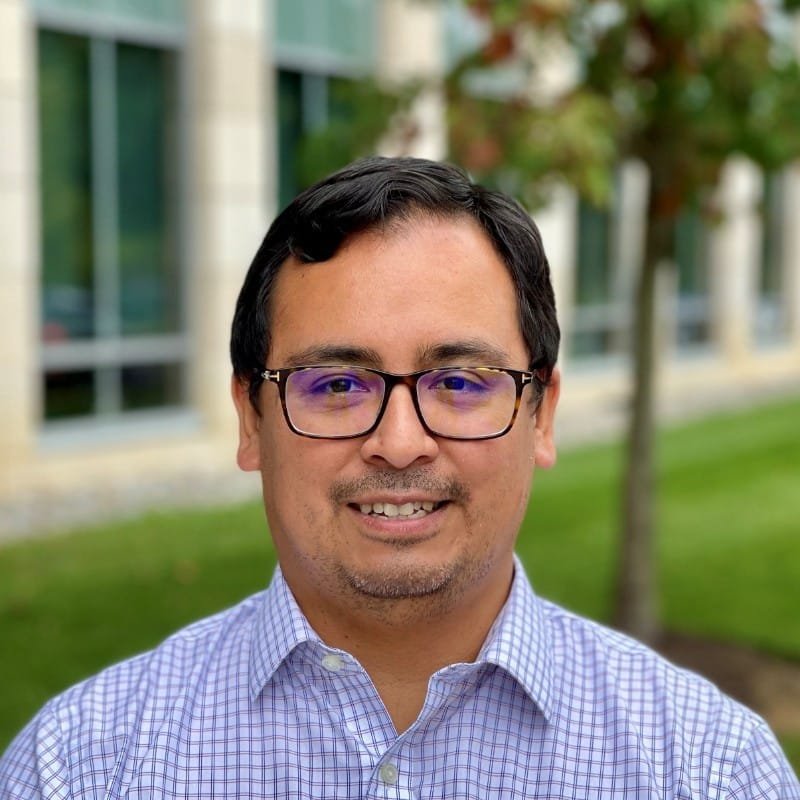
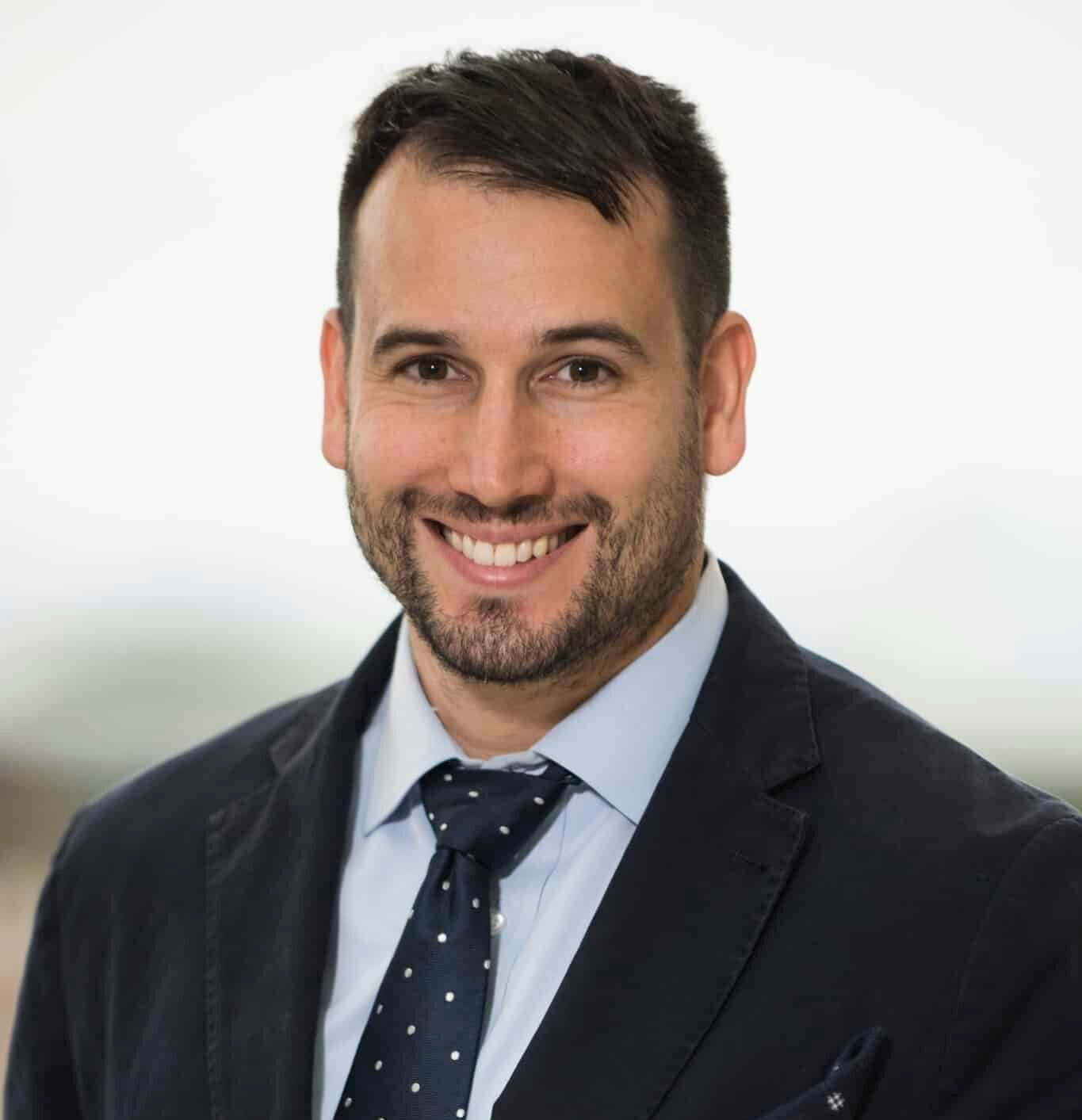
Member Spotlight: Leo Wang MD, PhD
“Breakthrough therapies only matter if patients can truly access them”
In our latest Member Spotlight, we feature Leo Wang, paediatric oncologist and physician-scientist working at the forefront of gene and cell therapy. His career spans early translational research through to leading clinical trials and post-approval programmes for children and young adults with life-threatening disorders. Across each stage, one theme has remained constant: ensuring th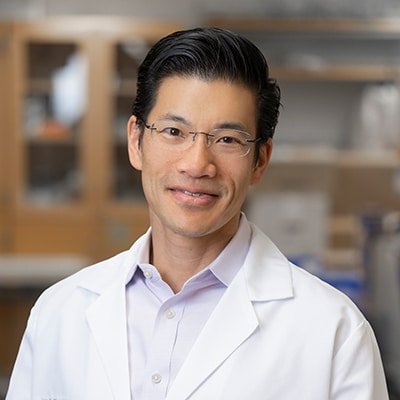
What’s your affiliation with the cell & gene therapy field?
I am currently Division Chief of Cell, Gene, and Transplantation Therapies in the Department of Pediatrics at City of Hope, and the Director of City of Hope’s CIRM Alpha Clinic site. I am also the Director of our Clinical Gene Therapy program. My involvement with CGT stretches back to pediatrics residency, when I worked with Kathy High on the therapy that became Beqvez. Since then, I’ve done basic and translational research in both AAV and LVV-based gene and cell therapies, and have led clinical trials and post-approval clinical programs for these therapies in children and young adults with life-threatening disorders. I’ve seen how life-changing these groundbreaking therapies can be, and I’m committed to getting them to more patients faster and more equitably.
What is your role within Act for Hope, and what motivated you to get involved?
I was introduced to Alexander by Angelo Cardoso and immediately recognized that he shares the same commitment that Angelo and I have: a commitment to breaking down barriers in order to serve patients. When he asked me to join, I was as thrilled as I was honored; I believe that Act for Hope has the passion, expertise, and resources to reinvent this space. My role in Act for Hope is primarily in the Patients and Payers workstream, where we focus on making novel therapies more accessible to patients who need them. Additionally, as a practicing pediatric oncologist and physician-scientist, I bring a unique perspective to the dialogue around the work we do.
What recent development in the field has made you optimistic about the future?
Despite how revolutionary these therapies have been, there are still a lot of obstacles that keep patients from receiving them. It’s estimated that only about 20% of patients with multiple myeloma who are eligible for CAR T cell therapy receive that therapy. Some of that is due to manufacturing bottlenecks, which Act for Hope is actively addressing. A large part is also due to access – patients don’t get the treatment because their healthcare providers don’t know about it, because there are insurance challenges, because they live too far away from a treatment center. Fortunately, we’ve seen significant movement in the regulatory and payer space around these issues, which is exciting because it means that more patients will get these treatments sooner. In November, FACT issued its first Standards for Immune Effector Cells in the Community Clinical Setting, providing a path forward for centers to bring these therapies to patients where they live. Act for Hope was proud to have played a part in that process. The FDA has also recently taken steps to make cellular therapies more available, removing the REMS (Risk Evaluation and Mitigation Strategies) requirement in June of 2025 and announcing new flexible requirements for manufacturing oversight of preapproval cell and gene therapies in January of 2026. These changes should make it easier to simplify manufacturing processes, which will make them easier to scale. Finally, new payer models are being developed, which aim to ensure that eligible patients won’t be denied therapy because of insurance issues.