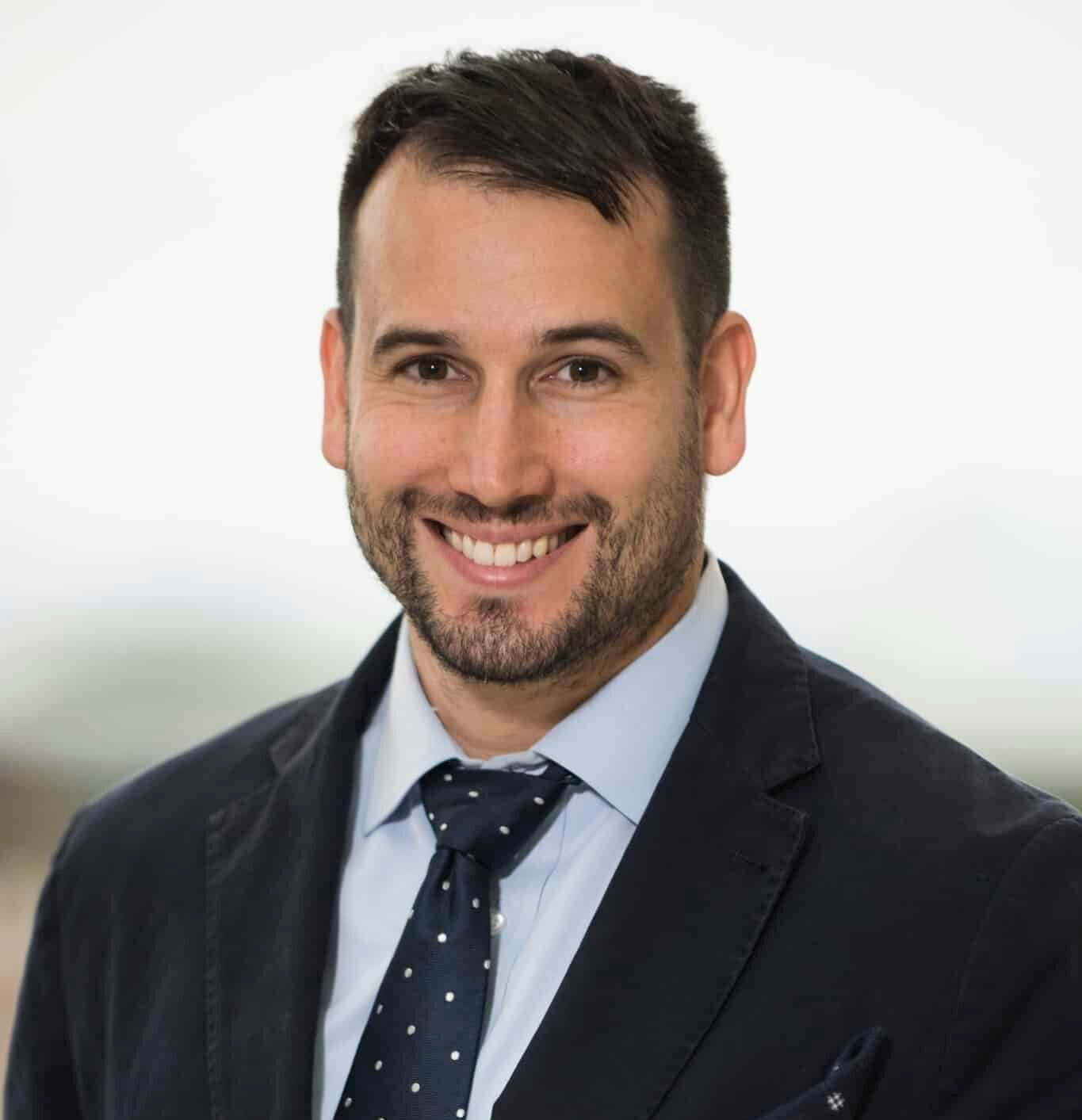
Member Spotlight: Alexander Seyf, Co-Founder
“Technology is only as powerful as the mission it serves: Patient access”
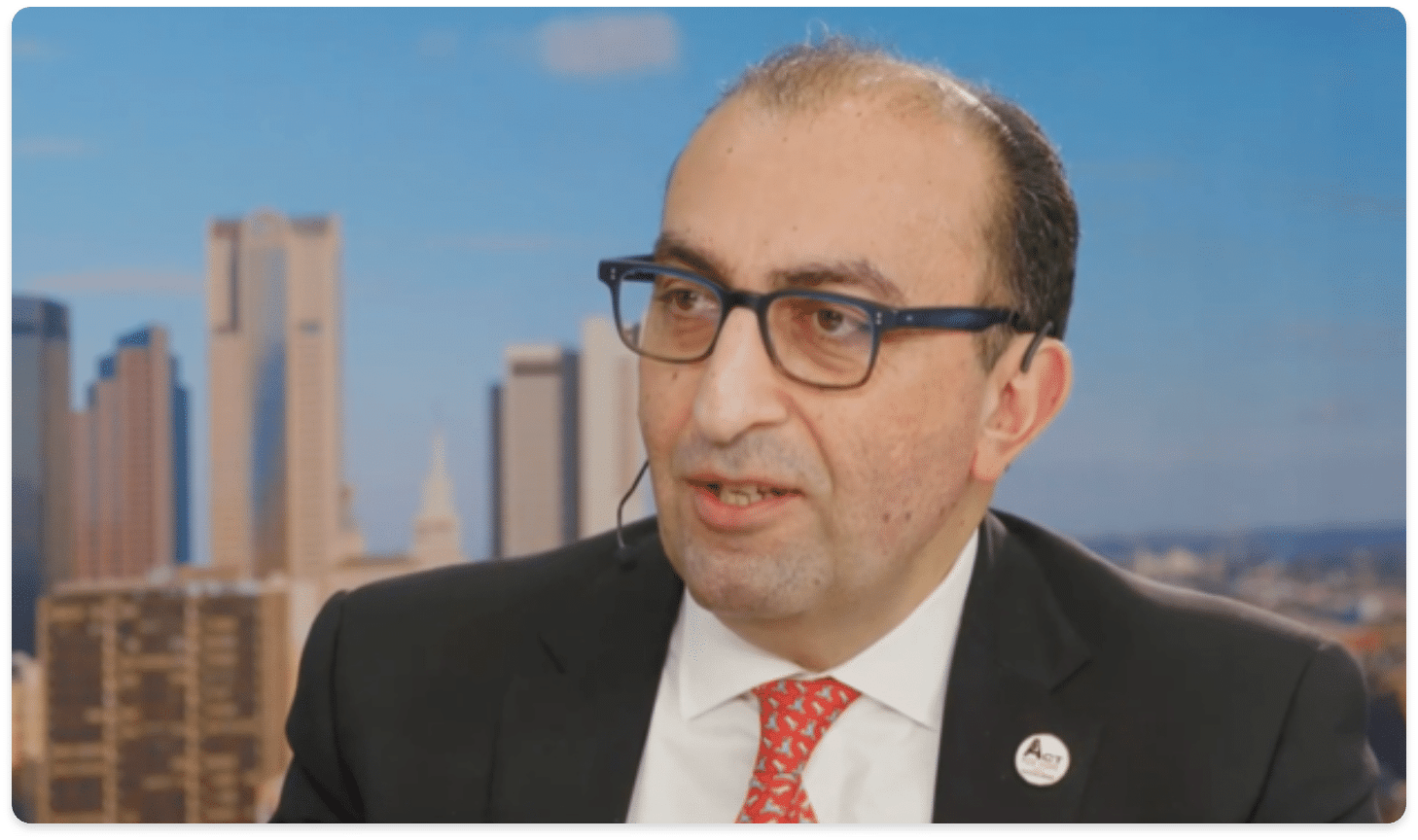
We’re launching our Member Spotlight Series with Alexander Seyf, co-founder of Act for Hope. His involvement is driven by a clear belief that breakthroughs in cell & gene therapy only matter if they reliably reach the patients who need them. In this spotlight, Alexander explains why Act for Hope exists, what compels him to stay deeply engaged, and the conversation he believes the CGT community must have now to turn innovation into dependable, equitable care.
What’s your affiliation with the cell & gene therapy field?
My journey began in the high-tech sector, where I witnessed how digital transformation could turn complex, fragmented processes into seamless, global standards. When I entered the cell and gene therapy field, I realised that while the biology was futuristic, the “operating system” behind it was decades behind.
As the CEO and co-founder of Autolomous, I lead a team dedicated to digitising the manufacturing and supply chain ecosystem for advanced therapies. We don’t just build software; we build the digital nervous system for the industry. My mission is to move CGT away from the era of manual, “artisanal” production and into a future of industrial-scale reliability. I’m a firm believer that we don’t always need to reinvent the wheel; often, we just need to look at how other high-stakes industries have successfully scaled and apply those lessons to save lives.
What is your role within Act for Hope, and what motivated you to get involved?
I am the founder of Act for Hope, an initiative born from the conviction that technology is only as powerful as the mission it serves: patient access. My motivation comes from the profound weight of the “vein-to-vein” journey. In our field, a documentation error or a manufacturing delay isn’t just a business setback – it is a moment of lost time for a patient waiting for their own cells to be returned to them as a cure.
I founded Act for Hope to bridge the gap between high-level innovation and the human heart of healthcare. It is a platform dedicated to building a more equitable landscape, ensuring that the “hope” offered by these scientific miracles is not a privilege for the few but an actionable, accessible reality for every person in need, regardless of where they live. We are here to advocate for a world where a patient’s survival doesn’t depend on a manual process going right, but on a robust, global ecosystem that never lets them down.
If you could spark one conversation across the CGT community right now, what would it be?
I would challenge the industry to have a radical, courageous conversation about “Collaborative Data Transparency.” Right now, we often operate in silos, keeping our failures and bottlenecks quiet to protect our brands. But in a field this complex, our silence only slows down the collective progress that could save lives. I want to ask my peers:
“What if we shared our manufacturing challenges and data hurdles with the same pride as our successes?”
If we moved away from a purely competitive mindset and toward a “utility” mindset where we treat our digital foundations as a shared rising tide, we could stop reinventing the wheel. By pooling our insights, we can predict failures before they happen and optimise treatments for everyone. It’s time we work together to build a foundation that lifts all boats, because when we share what we learn, we save lives more quickly.