“The complexity of manufacturing remains a key barrier to translating these innovations into widely accessible treatments.”
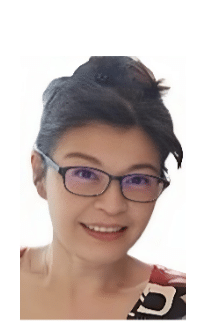
With over two decades of experience in viral vector engineering, cancer gene therapy, and T-cell based immunotherapies, Dr. Lam is a senior scientific leader and translational researcher committed to bringing effective and personalised CGT treatments to patients in need.
What’s your affiliation with the cell & gene therapy (CGT) field?
I am a senior scientific leader and translational researcher in cell and gene therapy, with over two decades of experience spanning viral vector engineering, cancer gene therapy, and T-cell based immunotherapies. I currently serve as the Chief Scientific Officer of BioCell Innovations, a start-up Singapore-based company with the primary objective to bring cell and gene therapy to patients in need, offering them effective and personalized treatment options.
What is your role within Act for Hope, and what motivated you to involved?
Within Act for Hope, I am primarily involved in the manufacturing workstream, where I contribute to efforts aimed at optimizing cell therapy manufacturing processes and enabling more efficient, scalable workflows across institutions. By supporting greater alignment and data-driven optimisation, I hope to help accelerate the translation of cell and gene therapies from bench to bedside.
My interest in this field was shaped early in my career during my postdoctoral training at St. Jude Children’s Research Hospital, in an environment influenced by Arthur W. Nienhuis, a pioneer in gene therapy. This experience provided first-hand exposure to both the transformative potential and inherent challenges of gene-based therapeutics. I subsequently trained with Xandra O. Breakefield, Professor of Neurology at Harvard Medical School, where I focused on the rational design and engineering of viral vectors to improve therapeutic delivery and safety.
Having witnessed landmark clinical breakthroughs such as those of Emily Whitehead and Victoria Gray, I am deeply inspired by the life changing potential of cell and gene therapies. At the same time, these successes underscore a critical challenge, the complexity of manufacturing remains a key barrier to translating these innovations into widely accessible treatments. This has driven my commitment to actively contribute to the manufacturing workstream, where, together with like-minded colleagues and collaborators, we strive to advance scalable, efficient and robust processes that can meaningfully expand patient access to these transformative therapies.
What is the biggest challenge you currently see in the CGT space?
The greatest challenge in the cell and gene therapy space today lies not only in the complexity of manufacturing, but in our limited ability to effectively integrate the inherent variability of patient-derived starting materials into robust and scalable processes. Unlike traditional biologics, each therapy is unique, shaped by differences in cell quality, phenotype, and functional capacity, yet current manufacturing approaches remain largely non-adaptive to this biological variability. This results in inconsistent outputs, high costs, and significant barriers to scalability and access. Addressing this challenge will require a fundamental shift towards adaptive, data driven manufacturing strategies that can accommodate and normalise variability, enabling more reproducible, cost-effective production and ultimately expanding patient access to these transformative therapies. From my perspective, this transformation must also be underpinned by greater collaboration across the ecosystem. By aligning on best practices, improving transparency, and advancing scalable manufacturing solutions, we can potentially accelerate the translation of these therapies. This is precisely where initiatives like Act for Hope can play a pivotal role in bringing together diverse stakeholders across the ecosystem to collaboratively address challenges that cannot be solved within silos.
Similar Articles in All
Discover more articles from this category
Member Spotlight: Diana Hernandez, Director of Immune and Advanced Therapies at Anthony Nolan
“The only thing worse than not having a potential treatment is having one you can’t access.” In our latest Member…